Capturing Audio Tapes – Part IV – Connecting your equipment
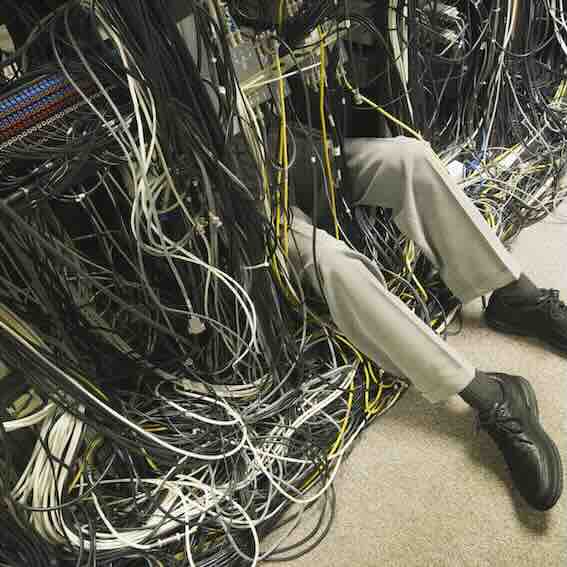
How to set up your equipment to recordIn Part III we covered how to clean your equipment and tapes for the best possible sound...
Capturing Audio Tapes – Part III – Preparation
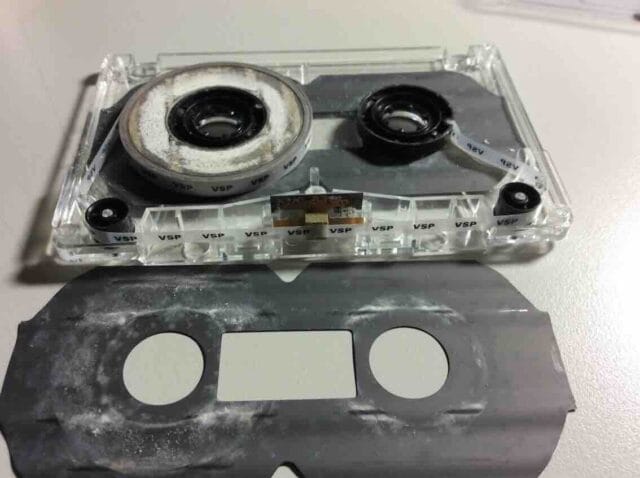
In Part I and Part II we covered storage requirements and the equipment you'll need to capture audio from analog sources. In Part III...
Capturing Audio Tapes – Part II – Buying Guide
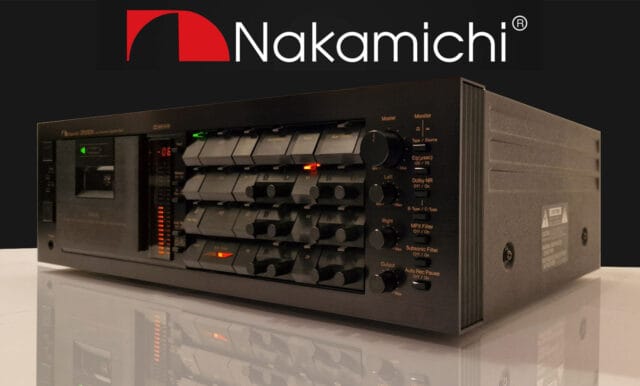
The good news is, unless you're capturing something unusual, finding the right equipment is straightforward. Even reel-to-reel players are still readily available second-hand for...
Global list of web sites for purchasing second hand equipment
Depending on what you happen to be doing, chances are you're going to need some second hand equipment. Sometimes this equipment is best...
Capturing Audio Tapes – Part I – Overview and Storage
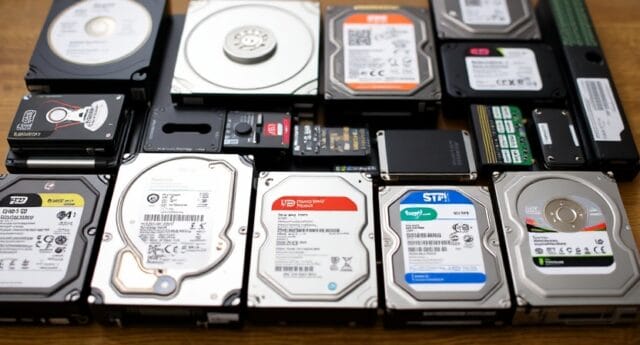
Digitising analog audio tapes — cassettes and reel-to-reel — overview, storage requirements, and the equipment landscape for three audience tiers. The gentlest entry point into digital archiving.
What’s the difference between a TBC and a Frame Sync device?
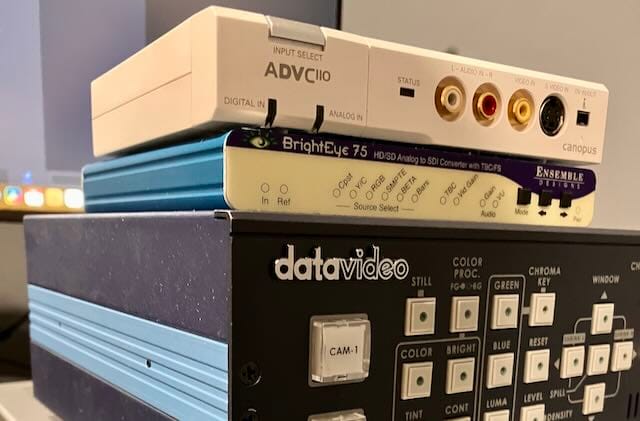
This was something that confused me for a very long time, and of course, when you're being asked to front up a large amount...
Understanding whether 4:2:2 Chroma Subsampling Ratio amplifies colour loss in low resolution analog sources (and if you should use 4:4:4 instead)

When it comes to choosing the correct way to store your video archive, there are a lot of factors to consider. One of those...
Why a Time Base Corrector matters for analog video capture
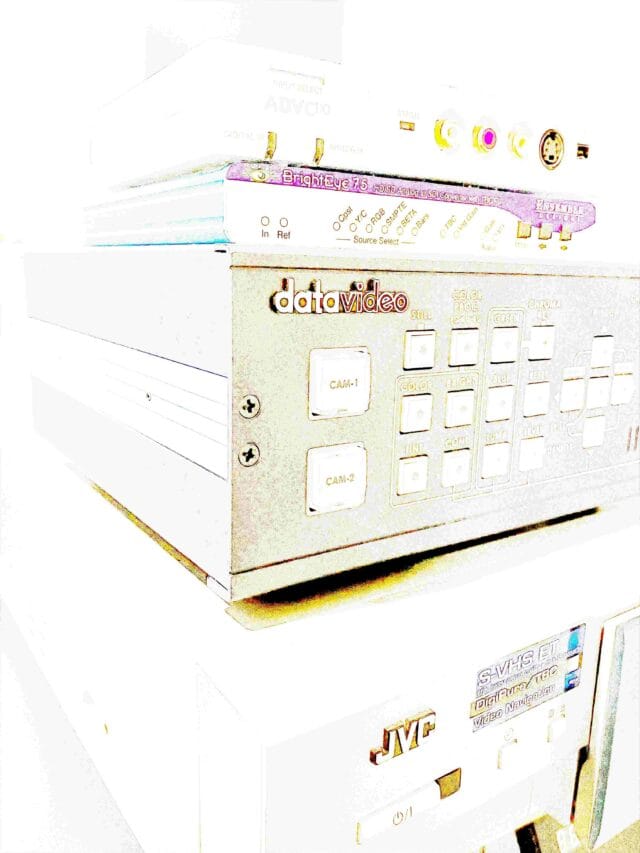
If you've ever captured a VHS tape onto a computer and ended up with rolling pictures, frozen frames, audio drifting out of sync, or...